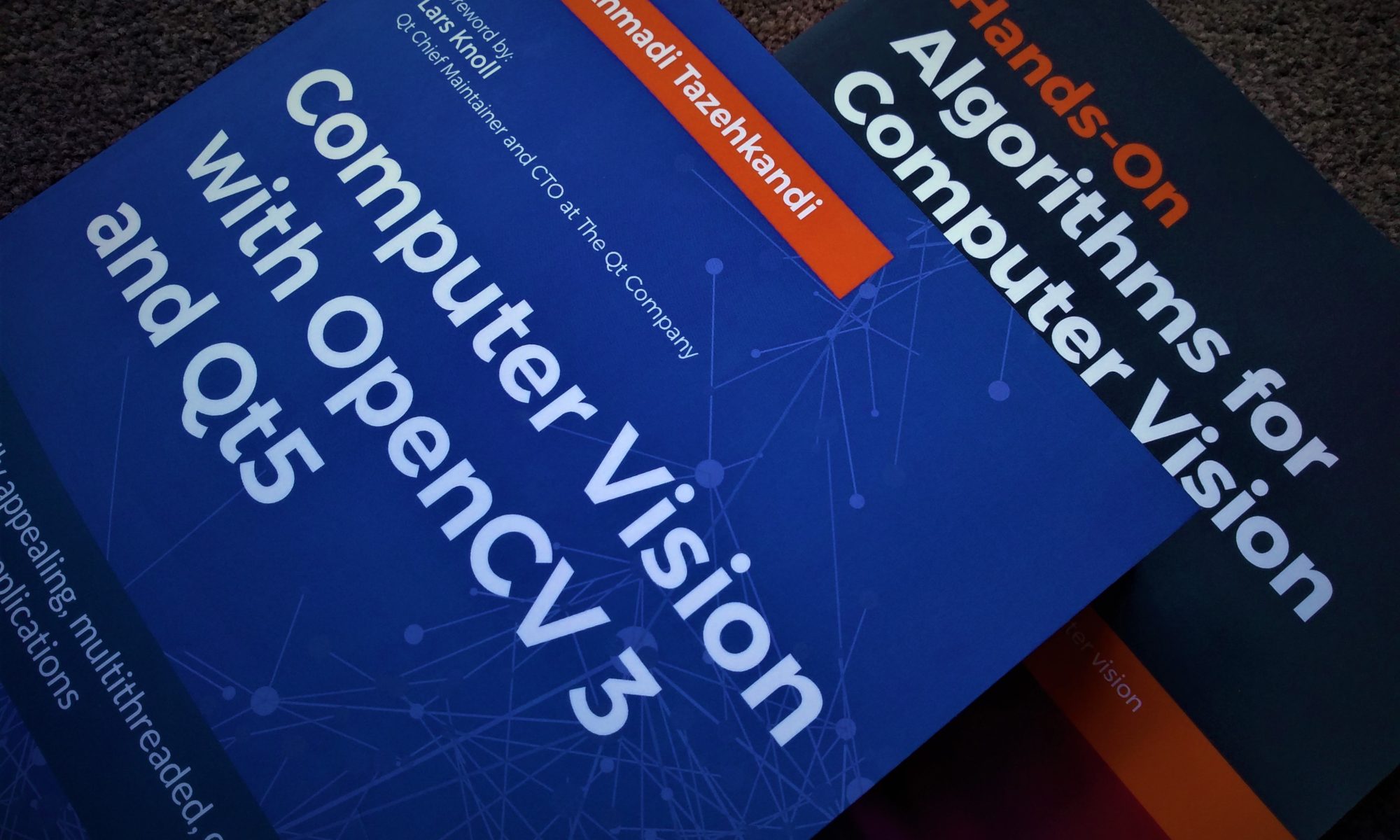
This is not my usual type of blog post. It’s more of a reflection on where this blog and all blogs like mine belong. Especially in the age of instant “content creation” using LLMs. To give you the context, for years I kept writing blog posts here. Initially just simple notes for myself about the solutions for issues I faced while I was trying to build something. These were the kind of issues I couldn’t find any resources about (back then). But then I realised it’s starting to be useful for other people as well, since the issues I faced were pretty common ones. I was probably captured by blogging and SEO rules for some time as well in the early days, but I’d like to think I ditched those rules pretty quickly and kept on writing in my own style and language (simple language). This blog eventually led me to land a couple of book deals, and I became a published author sometime around 2017, 2018. Things were good, but over time life presented some challenges (as it usually does) and my blogging turned into more of an occasional habit.
Which brings me to this post. After I found some time to keep writing consistently again, I realised it’s 2025 and no one really reads blogs anymore (at least most that I know, don’t). Even the ones that do, would love a summary by LLMs. I realised LLMs have almost already replaced us bloggers and anything we write is simply part of some LLM response, mixed and mashed together with whatever else is “in there”. In a somewhat dark turn of events, we have simply turned into fodder for training mindless token generators. But such is the way technology moves. Forward! As long as the clock ticks away in the direction it always has, technology will also keep moving forward. Also, a full disclosure: I am considered an LLM expert these days (I didn’t ask for it). And this is not a post to bash LLMs. LLMs are here to stay and they are quite useful. For many things. Lots of things. Which brings me to the final point below.
I’m starting to see that this whole “AI revolution” will make these posts and blogs like this even more precious. Every letter, word and sentence you read on whatever screen you read it now is typed on a keyboard, by a human (allegedly human 🙃) And that is what I love about what LLMs have exposed to us, in us. Why do we do it? Why do we write? We do we do seemingly many other mundane tasks that can be easily automated by LLMs (some sooner than later, but eventually almost any task). I know have my answer as a blogger, which means I WILL keep writing. But you’ll need to think about your own answer. Why do you do it?
IMPORTANT NOTE: Although I am always grateful for what LLMs help me achieve in other daily tasks, they were NOT used to generate, edit or review this post in any way shape or form.